Powerful crypto demo trading is often the smartest first step for anyone who wants to understand digital markets without fear. It allows skills to be built calmly, strategies to be tested safely, and confidence to grow over time. Because no real money is at risk, learning is made easier and more enjoyable. This guide explains how this practice works, why it matters, and how it can shape better traders for the long term.
Understanding the Concept Behind Demo Trading
Digital currencies move fast, and the learning curve can feel steep. For this reason, practice environments were created by many platforms. In these environments, real market data is used, but virtual funds are provided instead of real capital.
This setup ensures that emotional pressure is reduced. Mistakes can be made freely, lessons can be learned deeply, and habits can be refined. Over time, market behavior starts to feel familiar. Because of this, decision-making is improved naturally.
Why Beginners Should Start With a Risk-Free Environment
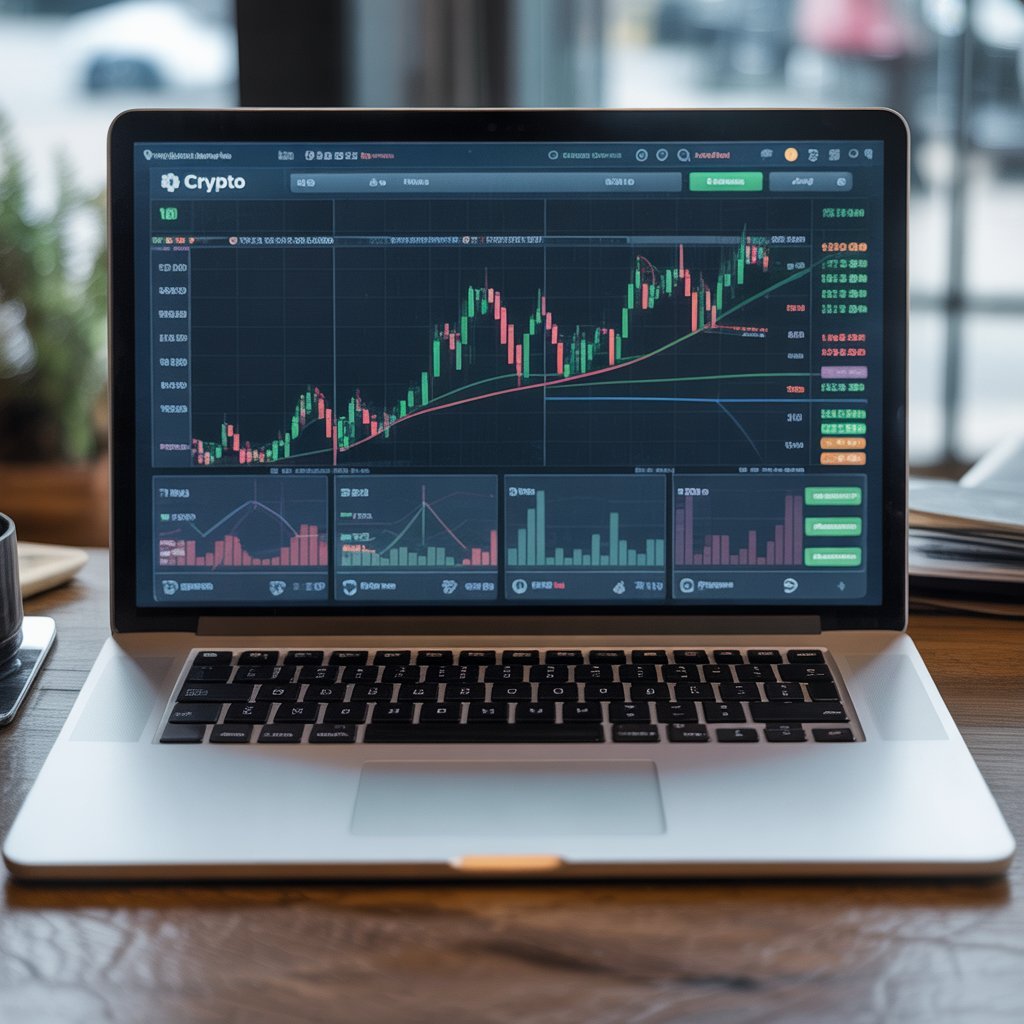
Starting directly with live funds often leads to rushed decisions. Fear and excitement tend to control actions. By contrast, a simulated environment allows focus to remain on learning rather than worrying.
Key advantages are often experienced early:
- Trading tools are explored without confusion
- Charts and indicators are understood gradually
- Market timing is practiced with patience
As a result, confidence is built step by step. When real funds are eventually used, the transition feels smoother and more controlled.
How Learning Is Accelerated Through Practice
Skills improve faster when repetition is involved. With virtual funds, repeated trades can be placed daily without consequences. Patterns begin to appear, and mistakes are remembered more clearly.
Additionally, feedback is immediate. Profits and losses are shown instantly, allowing strategies to be adjusted. Over time, discipline is developed, and impulsive behavior is reduced.
Because this process feels safe, curiosity is encouraged. New ideas are tested, and creativity is supported. Learning becomes active rather than passive.
Strategy Testing Without Financial Stress
Every trader hears about strategies such as scalping, swing trading, or trend following. However, theory alone is never enough. These strategies must be tested in real market conditions.
In a simulated setting, strategies are refined patiently. Entry points are adjusted, stop-loss levels are improved, and exit rules are clarified. Since no capital is lost, focus remains on improvement rather than regret.
This approach leads to clearer results. Data can be reviewed objectively, and emotional bias is minimized. Over time, a personal style begins to emerge naturally.
Emotional Control and Discipline Are Strengthened
Emotions are often the biggest enemy in trading. Fear, greed, and impatience can quickly destroy good plans. A practice environment helps these emotions be recognized early.
When trades are placed repeatedly, reactions to wins and losses become familiar. Emotional patterns are noticed and corrected. Discipline is slowly built through routine.
As a result, habits are formed that later protect real capital. Calm decision-making becomes a natural response, not a forced one.
Choosing the Right Platform for Practice
Not all platforms are created equally. While many offer practice accounts, quality can vary. When selecting one, several factors should be considered carefully.
Look for platforms that offer:
- Real-time market data
- Access to common indicators and tools
- Easy navigation and clear dashboards
- Smooth transition to live accounts
By choosing wisely, the learning experience is enhanced. Time is saved, and frustration is avoided.
Common Mistakes to Avoid During Practice
Even in a simulated environment, mistakes can slow progress. Some habits should be avoided early to ensure growth remains steady.
Overtrading is a common issue. Because funds are virtual, trades may be placed too frequently. This behavior can later harm real accounts.
Another mistake is ignoring risk management. Even with virtual funds, stop-loss rules should be respected. Practicing discipline early ensures better results later.
Finally, jumping between strategies too often can be confusing. Focus should be placed on mastering one approach before moving to another.
Transitioning From Practice to Live Markets
The move to real trading should never be rushed. Instead, it should be planned carefully. When consistency is achieved in a simulated environment, small amounts of real capital can be introduced.
At this stage, emotions may feel stronger. However, the foundation built earlier provides stability. Strategies feel familiar, and decisions feel less stressful.
It is often recommended that practice continues alongside live trading. This balance allows new ideas to be tested safely while real capital is protected.
Long-Term Benefits for Serious Traders
The value of practice does not disappear after the beginner stage. Even experienced traders return to simulated environments to test updates or new ideas.
Markets evolve constantly. New trends, tools, and conditions appear over time. A safe testing space ensures adaptability without unnecessary risk.
For this reason, many professionals treat practice accounts as lifelong learning tools. Growth is maintained, and confidence remains strong.
Conclusion
https://coinmarketcap.com/Learning digital markets does not need to feel overwhelming or risky. With patience, structure, and the right mindset, skills can be built steadily. Crypto demo trading allows mistakes to be transformed into valuable lessons while curiosity is encouraged in a safe environment. Over time, discipline is strengthened, strategies are refined, and confidence grows naturally through consistent practice. When real opportunities arrive, the experience gained from crypto demo trading ensures preparation truly makes all the difference.
Frequently Asked Questions
1. Is demo trading suitable for complete beginners?
Yes, it is ideal for beginners because learning happens without financial pressure.
2. How long should practice continue before using real funds?
Practice should continue until consistent results and emotional control are achieved.
3. Can advanced strategies be tested in a demo account?
Yes, most platforms allow advanced tools and strategies to be explored safely.
4. Are market conditions realistic in demo environments?
Most platforms use real-time data, making conditions very close to live markets.
5. Should demo accounts be used even after becoming experienced?
Yes, they remain valuable for testing new ideas and adapting to changes.